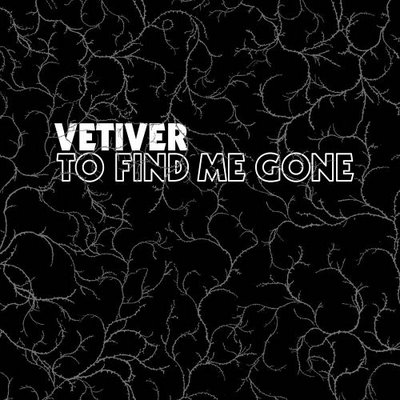
Every once in a while, i constantly listen to Vetiver. this was the first album of theirs that i had heard, and i remember hearing Been So Long and being completely awestruck. it's so completely simple, but it's complexly simple. something like that. but the whole album is simple. there's G to C chord progressions in multiple songs, but Andy Cabic's melodies are what make these songs better than other good songs. something like Maureen: mainly C, G and F, but the melody is incredible and the sublte guitar parts throughout diferenciate between the other songs with similar chords. Won't Be Me is too lively to not feel good. i mean, there really isn't a song that i don't really like. this album does, however, have a certain relationship with some other time. but it's not overwhelming, not that it's even a bad thing per say. mainly good vibrations coming from this. it's something i come back to constantly.
Sometimes listening to this album is unrealistic. i feel like it all must be a hoax or something because there's no way that any seven people can play music like this together. for instance; St. Stephen has a special ending and goes right into The Eleven which seems to have two different parts, then out of nowhere becomes Turn On Your Love Light, totaling three tracks, five different "songs" and over 30 minutes of constant playing, most of which is improvisational in nature. this record is a premium example of a band just happening to find a way to do exactly what they want. they found a way to be able to get together and play music for pretty much as long as they wanted to. being able to jam so well with one another meant that they can pretty much play whatever it is they want (it's no wonder that they were a band for such a long time). but this actually may just be my favorite Grateful Dead album. the fact that it's live means that you can really hear everyone's importance, no song is driven by one person, and every instrument does something in each song that makes it unlike any other version. Phil Lesh gets incredibly groovy in The Eleven, which is a fine moment in the history of the bass guitar. Jerry Garcia could be named one of the best guitar minds in rock and roll based off of the work displayed on this record. there are times that you can hear him figuring things out as he's playing them, or you can hear him try and fudge a mistake. but i find this to be part of the reality of music, part of what makes playing music different from recording music, being able to hear someone's mind working, and how that fits with the six other minds that are also working at the same time. nuts. i read something that said that Live/Dead was some of the best improvised music ever recorded, and i don't disagree with that.
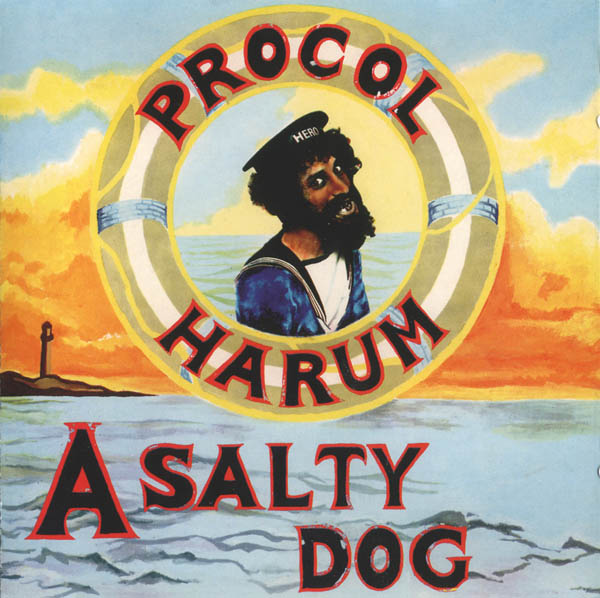
it's been a while for sure, but here's another one for the books. not knowing much of Procol Harum besides A Whiter Shade of Pale, this album seemed really interesting. and it is. it begins fitting to what seems to be the 'theme', with some sounds from the dock of the bay. and everything that follows is so different but very much the same. each song has a separate feel from the rest; Juicy John Pink, for instance, is a grungy blues number, but the following song Wreck Of The Hesperus is lead by a piano that is a sure precursor to Elton John or Bully Joel. but they don't sound at all out of place being back to back on this record. i always like to see a band making music that is different from itself and still create a certain overall sound. this isn't a band that's blowing my mind or anything, but it's a well done album. and you know i like the cover art.
Led Zeppelin IV has a million names, including a series of symbols. it features a cover that i've always liked, and i only recently realized that the picture on the wall is actually a painting (even though it looks exactly like one). they decided not to include any kind of linear notes because they were getting hound dogged about the third album. but i like album art that has no information. i feel like i've had a weird relationship with this record; Black Dog has always reminded me of CIAgents, i had always associated Stairway to Heaven with my mom playing it, Rock and Roll used to be in a car commercial and some of the songs i felt like i'd never even heard before. these songs basically represent the acoustic and electric styles that were explored in the previous albums: a sort of mystical, European folk sound and blues based hard rock. The Battle of Evermore is a good example of the former, featuring the girl from Fairpoint Convention, and Four Sticks could be a example of the latter. there are also probably a hundred different time signatures on this record. some of it was recorded using a mobile studio that was owned by The Rolling Stones, which was basically a studio in a huge van. It's actually one of the best selling albums ever, in which, similar to something like Dark Side of the Moon, i give a lot of credit to the world at that time for. there's some pretty freaky material on this record. and also, i don't believe in the satanic message thing anymore.
This album is something pretty new for me. i'm not very familiar with a lot of the songs that are on this, i feel like they all sort of sounded the same for a while. but it also just seemed to have a weird feel to it, and maybe because one of the only songs i remember listening to was Hats Off to (Roy) Harper. but listening to it in context to the previous album and being more familiar with the next album, makes me think a sort of different way about it. Jimmy Page wrote the songs on II while he was on the road in midst of a tour, and he wrote these songs in a cottage in Wales that had no electricity. knowing this, it sort of makes sense with the way this record turned out. there's really only one song that sounds like the blues, and the others sound like freak out farm songs. as the first two albums sort of tested the limits of the standard blues sound, these songs do the same with folk music. Jimmy Page was apparently really into John Fahey and Bert Jansch. some songs are obvious nods, like Bron-Y-Aur Stomp, but some are more underlying. Gallows Pole, for example is a shuffly rock song until a fast picked banjo enters nearly halfway through. and then it completely changes the mindset from something that could be played at an arena and something that could be played in a barn. it's an interesting contrast, and i don't think that it was a conscious decision on their part to change things in a drastic way, but it seems to be something important. i think the sound started to become more visual at this point, which i definitely think is true of the music they were yet to make.
So, in a straight comparison between the first album, Led Zeppelin II is something very different. there's still a connection to history - either literally with the cover of the album, or with the obvious and heavy influence of the early blues. but this album shows much more of the future than the past. in the first song alone, there's a few middle minutes that mostly contain spacey sounds and Robert Plant doing moans. something that obviously wasn't constructed or recorded live. and not that it was necessarily something very new to do in the studio, but it seems really clever. and the music is also starting to sound less like classic blues, and more like something that's getting turned in different kinds of directions. Thank You has some synthesizer work that's sounding as mystical as ever. Moby Dick has a pretty outrageous drum solo. and Heartbreaker has a guitar solo shredded from the heavens. not to mention the countless amounts of real 'riff rock' riffs. the songs are mainly pretty beefy; decently sized, loud, sexual references, et cetera. it was actually recorded and mixed at different studios not only in England but also in the United States and Canada while they were on tour most of the year. writing and recording an album and touring at the same time: crazy.
So for the next four days i'm going to do the first four, untitled Led Zeppelin albums. starting with the debut, Led Zeppelin. So i guess the story that sort of goes with this album is that Jimmy Page was the only one left in The Yardbirds, and had to do a Scandinavian tour, so he somehow recruited these members and did the tour as The New Yardbirds, playing mostly these songs, then came back, changed the name and recorded this album out of his pocket. apparently it didn't take long to actualy record, and the songs are mostly live takes. Jimmy Page was also apparently the first one to record with ambient microphones, so he wasn't just sticking a mic right up on the amp, but he had one twenty feet away from the amp as well. so there's a lot of tracks leaking into other tracks and things like that. which i guess isn't so very apparent, but it does make sense. something that i never used to be into was the contrast between the rock songs and the acoustic songs, but i've recently started to gain appreciation for the acoustic ones. the rocking ones are in some respects, very 1969 and almost even very 1979, where the acoustic ones like Black Mountain Side are very 1500s. some of the album is from the future, and some is from 400 years ago. and honestly, Jimmy Page is crazy.
I've never really gotten too into much Creedence Clearwater Revival. i remember playing Bad Moon Rising out of my dorm room window when i was a freshman, but i mean, that's not saying much. i think the only album of theirs that i've even listened to in it's entirety is Cosmo's Factory, and i think that was even a little different then the kind of songs they were doing in 1968. so Bayou Country seemed like something a little more essential. i think one of the reasons i can't get into them for so long is John Fogerty's voice. i mean, it's certainly fitting for this band, and it's not bad by any means, but i can only handle a certain amount of it. and part of what i like about this album is that there are more extended musical numbers. something like Graveyard Train or Keep On Chooglin' where the blues are bursting at the seams. Proud Mary is the classic hit off of this album, just rollin' on the river. i guess it's the kind of music that they're mixing together, but they pretty much fooled me into thinking that they were from Louisiana or something, but really they're from California. there's a lot of Southern influence; gospel, blues, soul and the like. but i dig that style.
This album used to be a time vault to 1991. when i first got into this, it reminded me so much of being a little kid, living in our old house and hearing my parents play it whenever they were cleaning or something. it was like that for a little while and then it sort of became it's own thing to me. as a whole, i find it to be a pretty incredible feat of music. it's unmatchable when there are four of the most well renowned songwriters of the time on the same record. similar to The Band record, this carries a certain American tradition-both of times of old and of the period in which it was made. a song like Almost Cut My Hair is geared towards the counterculture and those kinds of values, where Our House is almost the complete opposite: settling down, having a house and a family and responsibilities. 4+20 is a fingerpicked, almost traditional style folk song and Everybody I Love You is more current, a soloed rock song. but these attributes meld together throughout the album which is what makes it such a master work. Helpless is easily one of Neil Young's best songs, with such shameless and vivid melancholy that is very classic Neil. and obviously getting into the harmonies is something completely on it's own. most of the harmonic singing is still only done by Crosby, Stills and Nash, but it's supernatural. this is another easy candidate for one of my favorites of all time.
I can't really say that i like any of the other Destroyer albums, nor do i necessarily like The New Pornographers, but this album is really very good. it's one of the ones that comes with a pretty heavy feeling of a certain time. this time it simultaneously reminds me of a former Philadelphia apartment of mine as well as a car drive to my grandparents house for Thanksgiving. that's what comes to mind visually at least. but yeah, i've tried in the past, to listen to other Destroyer albums since i've always liked this one so much, but they're not really the same. there's even a newer one from a year or so ago which is also not as good. i don't know, i think that there's some kind of cohesive feeling through all of these songs (and i don't just mean something that i feel on a personal level, but rather a connection between the songs to themselves) this album is a pretty interesting thing lyrically, with lines like 'You disrupt the world's disorder just by virtue of your grace, 'Endangered Ape, a couple years in Solitary never really hurt anyone', 'I gave my cargo to the sea/i gave the water what it always wanted to be', as well as multiple references to a priest and multiple women and relationships. i feel like i can't really keep up with what's trying to be said, so i always just kind of take that for what it is. but musically this record is incredible. it has crummy distortion and a grand piano. there's a balance between something done in a very lo-fi way and something done in a theater. it's a strange kind of pop music that is recognizable in European Oils or Your Blues, though there's something in pretty much any song that's catchy enough to stay with you for a while. one of the best is the nine and a half minute opening song, which also encompasses the overall ambiance by telling some kind of knightly tale in a sort of backwards way but also staying musically impressive. this one comes out of the vaults annually as well.
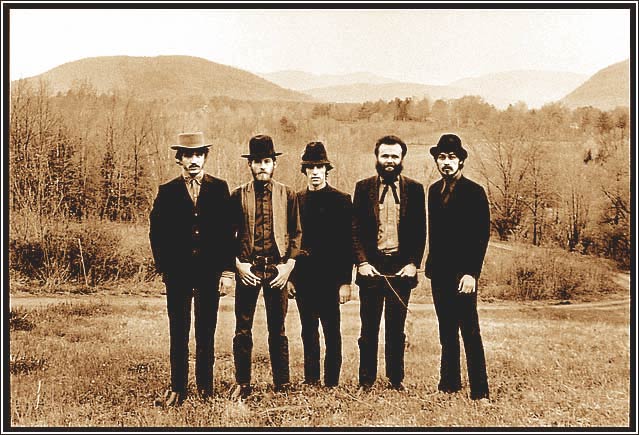
This is the Band album that i've always loved. even more so than Big Pink. it's such an incredible representation of America and it's culture throughout all of time. most of the songs are about old American stories and ideas about the south and the Civil War and the issues of that time. but it also says something about the year in which it was made, in a kind of backwards way. obviously psychedelia was in control of the counter (and most of the popular) culture in 1969, but The Band was rebelling against those kinds of ideas. they were surfacing the history of the country in a time when the masses wanted to change it yet again. the music was a melding of blues, rock 'n' roll, bluegrass and even ragtime. all American styles. and sometimes i really am not interested in hearing what America has to say, but this album usually changes that. This record is a showcase of the immaculate talent that was going on in this band. Robbie Robertson's songwriting is untouchable, The Night They Drove Old Dixie Down is a premium example of that. Garth Hudson is all over the place, Rag Mama Rag is a premium example of that. Levon Helm's vocal stylings are too good, Up On Cripple Creek is a premium example of that. et cetera. they recorded it in a pool house that was part of a house owned by Sammy Davis Jr. that was rented out. and apparently it was all done very unprofessionally, and i dig that. Robertson said something about how he liked the fact that there was no one behind a glass telling them what to do, and they would just hang out and if anything got done at all, it would have been a productive day. which is the right attitude. i like when things get musically androgynous, and there's not really anything that sounds like The Band. and they were pretty literally doing everything themselves, and that's respectable no matter what.
I got this on vinyl yesterday, having never listened to it before. but i'll always fall victim to a good cover. in this case, not only do i love the cover, but i mean, it's the Plastic Ono Band. granted, all i've really listened to is the John Lennon Plasic Ono Band album. and honestly i never really got very into that. so i was pretty interested in what this was going to end up sounding like. i guess the deal is that one side is John and one side is Yoko. John's side consists of some old time rock 'n' roll covers, like Blue Suede Shoes. but also some Lennon originals like Yer Blues and Give Peace a Chance. apparently John was sick and throwing up and other such things before the show, so he wasn't real happy with the final outcome of these recordings. But Eric Clapton's playing guitar, Klaus Voorman's playing bass and Alan White's playing drums, which he would later do for Yes in 1972. so it basically sounds good, old timely rock. The Yoko side only has two songs, one nearly five minutes and the other over twelve. for listening to the soundtrack to a performance piece, it's really pretty good. you have to imagine that the important thing that was going on was what was happening on stage visually. and not that i think that sound doesn't or shouldn't matter, but i understand Yoko's mindset a little bit. Obviously people are going to favor Lennon's side of this album, but i have to say that i stick by Yoko Ono as an artist, and this album is good enough.
Z has been a steady seasonal album to me for a few years. always representing winter, and in some cases just cold weather (today for instance). it has a lot of positive, nostalgic connections to the cold. and having those kinds of connections with a record makes it something important. this album came out when i was a freshman at UArts, and it has a certain relation with every year after that. once weather changes i automatically bring myself to certain songs and music that i've listened to in previous years. so i'm constantly going back to albums that i don't even really listen to unless it's a certain time of year. and i think that Z is an incredible album, but i really just don't listen to it unless it's cold. i guess i've made that point known by now. I've always thought this to be my favorite My Morning Jacket release. although several tracks are pretty swingin' and have a feel good vibe, for the most part it's still a dark record. Knot Comes Loose, Dondante, Into the Woods and Lay Low all seem to have a similar feel as far as those kinds of things are concerned. If i'm not mistaken some of the songs are about suicides and deaths of friends of Jim James. which i guess evokes a certain kind of approach to writing songs. but he still rips some nasty solos. there's a few different things going on with these songs. there are really mellow ones which sound like they could be a different band than the one playing the loud Americana rock songs on the rest of the album. which also sound altered since there's more than one song with a drum machine. i think that it was a pretty bold move to make this, as their first three records seem to be a continuation of one another, but this is farther out. it's a different fudge.
So i've had this album for over a year, and i don't remember ever listening to it all the way through before, but i've definitely listened to enough of it to know that it's the greasiest, most 70s, down south dirty funk ever made. the album cover couldn't be more fitting. it sounds like this band recorded this in their garage in between meals. or maybe during meals. all of the songs are named after different soul food stylings: Greasy Pork, Deep Fried Chitlings, Mo' Hash, Momma's Gravy (Yum Yum). they definitely sound like lesser known contemporaries of a group like Booker T and the MGs; instrumental soul. barbeque jams. summertime grooves. the bass is the chunkiest, the guitar is fuzzed out with reverb, the organ takes you to church. it feels good to say the very least. However, earlier tonight i found out that this was released in 2002 and they're a group of young guys from Helsinki, Finland.
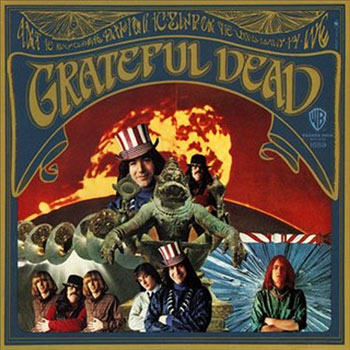
The Grateful Dead are one of my favorite bands of all time. i saw a show about the making of Anthem of the Sun/American Beauty the other day and i was geeking out intensely. and i've invested a lot of time in certain Grateful Dead albums, though this is one that i've never really gotten into thickly. i've recognized the genius of certain songs on here, but i've never really gone through it all reasonably. they were obviously still incredibly bluesy, in an almost standard way. the Hunter/Garcia relationship wasn't yet established so there are definitely some blues covers happening and even stylistically, the songs are much more based on the blues formula. It's a sound that sounds a lot more like what they probably should have sounded like; something like Jefferson Airplaine or the 13th Floor Elevators or Country Joe and the Fish or some kind of San Francisco garage band. The Golden Road (To Unlimited Devotion) is one of two songs credited only to 'Grateful Dead', and has a rather noticeable difference to the sound of the very next record that they made. the chorus is catchy and it sounds like something to surf to, and Anthem of the Sun basically lacks any kind of structure or marketable feature. The songs on this record aren't really a great representation of what this band is going to sound like for the rest of their career. but it doesn't matter at all.
This is one of those things where an album is so much of everything that there's no excuse for not being one of the best. it's pretty much the very top of the Kinks' mountain. it seems like they just hit a point where everything was going together much better than it had been, and probably would be. these songs are so well orchestrated that you really don't realize that there are four horns playing throughout the verses. it all just becomes part of the same thing. and i feel like that's kind of a hard thing to do, especially if you're a band that's been known for British Invasion music and all of a sudden there's a french horn and strings in the songs. but that's one of the incredible things about this album, is that it's so conceptual that everything that's involved needed to be there. The four minute jam that is most of Australia is representing what the song is about in context to the narrative of the album. and the same with the group chorus outro to Arthur. and these were new things that they were doing, but it's a part of what makes this record so outstanding in the Kinks r'epertoire. the artwork is great, the songwriting is at it's finest. it's a master work.
I spent a good amount of my time listening to this album two years ago, mainly Survival. i don't know much about Yes' later years, except Owner of a Lonely Heart, though i really like the late sixties/early seventies stuff. but first and foremost, this cover is rad. On this album is the Byrds song I See You and the Beatles song Every Little Thing, both becoming wild jazz/psychedelia showcases, questionably pioneering progressive rock. and i guess not even just that one song specifically, but the whole album incorporates jazz either obviously or more discreetly which is what the building blocks of prog rock are made of. i find it rather easy to get into this album; most of the songs have a feel-good tempo, the keyboards, guitar and bass are combined complexly and harmoniously (which aludes to the incorporation of jazz as well) and the vocal harmonies are arranged to compliment all of the instrumentations. John Anderson is actually quoted saying that a lot of the time he wasn't even really writing a story or anything, he was just writing words that sounded good with what the band was playing. and that's aright. I haven't listened to this is a while, and it doesn't bring back such a strong reminiscent feeling of two years ago as other music does, but it definitely has some kind of quality that correlates with my life at the time. which is good enough. i don't want to be too weirded out all the time. it's a good mixture between something i don't really know that well and something i remember clearly.
So, this is pretty much all i've been listening to for the past few days. and i mean that very literally. i think i tried to listen to something else and then decided to put this back on. to say the least, it's a very captivating album. and i think that it might just be the most important album in the history of popular music. Yeah, i mean, maybe only something like Sgt. Pepper would knock it out of place, but this was on the Billboard 200 for 741 weeks straight in America. basically fourteen years. something like that seems pretty impossible to me. and for such a popular record, it's pretty far out. Money was the most popular song on the whole album and it's in 7/4 time, which is obviously pretty non-conventional. especially for a "hit single". there's so much happening on these songs that had never been done before. three and a half out of nine (or four out of ten) of the songs have no words. and pretty much all of them have some kind of tape loop or spoken word (which they did with people that were also recording at Abbey Road during the time of their recording, so Paul and Linda McCartney were both interviewed because Wings was there, but they didn't use any of their interviews). They were experimenting in a very literal way with synthesizers, which, at that point were some of the most technological equipment. and nothing before this album sounded like Any Colour You Like. besides this, Roger Waters made everything loaded and wrote a wild concept album about greed and among other things the disgust with industry in general. Something that i think is important when facing this record is the fact that it was released in the beginning of 1973. in the current times, the kinds of things that are happening in these songs may not seem all that impressive due to the progress not only in technology, but it music as a whole. but really, this album set a lot of standards that a lot of bands and musicians owe a lot to. Pink Floyd as a band wasn't huge when this album came out. the stuff before this was either the first two albums, which were steered by Syd Barret and sounded like silly psychedelia or something like Ummagumma which was more so spacey but was definitely geared towards a certain kind of listener. but when Dark Side of the Moon came out, they became one of the biggest bands in the world. it was proof that underground bands and underground music could have a definite significance. in 1973 the world was still wiping their tears away because the Beatles broke up, and living in the aftermath of that, Elvis released a 'via-satalite' album from Hawaii, the Grateful Dead released Wake of the Flood, Bob Dylan had already gone soft, funk was gaining recognition, ABBA released their debut album, et cetera. the point is that this record was something that had a completely different sound than anything that was happening, but everyone gathered around it. which says a lot to me about the world at that time. if you listen to this album, and think about that, it sounds a little different than if you're seventeen and get it from Best Buy. i always liked Time, though.
This album has been consistently amazing since the first time i heard it. yeah, i'll admit that the first time i heard of Nick Drake was from the Garden State soundtrack. a bit embarrassing at this point but whatever, man i still like that movie. either way, this wasn't the first Nick Drake album that i had heard, but i think that it's by far the best. he definitely epitomizes the feeling of the fall months for me, and this album's (for the most part) straight acoustic presentation makes that all the more present. i think that the winter months are depressing, but the fall months are still lively but more introspective. and though Nick Drake's music is pretty depressing, there's definitely some hope in there. it just doesn't really fit as well with any other time of the year. the song Pink Moon is the only one on the album to feature anything other than voice and guitar. but that piano line is too magical for anyone's own well being. and i don't have any idea what kind of tuning he uses, but there are times when i sort of forget that he's even playing a guitar. it's easy for me to get lost in the contrast between the complexity of what he's playing and the simplicity in which it's presented. i pretty much only listen to this album all the way through. it's not very long and there's not a song on it that isn't exactly what you want to hear. one of my favorite albums of all time.
I always kind of thought that this album was from the 90s or something, which may have to do with the high saturation of the cover image. but, it's not from the 90s, it's from 1970. so i listened to it for the first time today and i found that it really just seems like a continuation of Ummagumma. some of it is cool, some of it is a bit much. i've realized that David Gilmour is my favorite member of Pink Floyd. yeah, Roger Waters was the head nut, but he seems a bit cocky. but Gilmour's song on this album is definitely better than Waters'. Atom Mother Heart Suite is long. which is alright, but in all honesty there were definitely some parts in there that were either TOO long or just not necessary. i don't know, it's a big ochestration number with a choir and those types of things, and that's whatever, but i like the blues guitar solo a lot more than all of that stuff. Richard Wright's song, Summer 68 is fine. acoustic guitar, piano, horns-it could just as well be an indie band song in this day and age. Gilmour's Fat Old Sun sounds like something off of the Kinks' Arthur. but that album is incredible, so that's okay. I guess having not listened to this before, it doesn't suprise me that this is what it sounds like. two songs by all the members and then three songs by seperate members. this is what was going on with them until they sort of found out what they actually wanted to do-then they wrote Echoes, which then brought on Dark Side of the Moon. but it's pretty scattered and certainly not a real easy record to listen to all the way through. unless you like the sound of someone eating breakfast, then you'll love the final thirteen minutes.
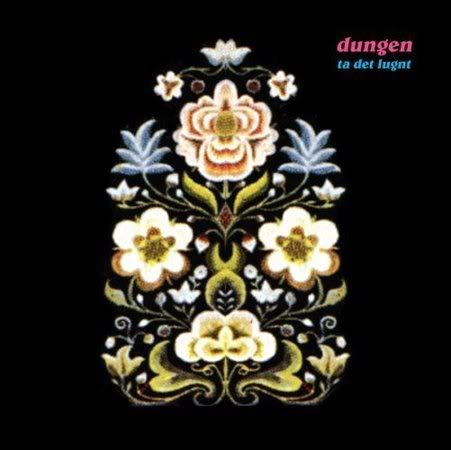
As much as i like this band/album, i don't listen to this much. i remember wanting to get this sooooooo bad when the reissue came out. i had a few mp3s that i would listen to constantly-like Panda. but i listened to it a lot that summer, and then not much after that. i still like it a lot, though. it sounds like something absolutely made thirty years before it actually was, and i obviously like that. but it also didn't sound like anything else i had heard when i first heard it, which is i guess what drew me in. it's definitely spacey. and the guitars sound so crunchy. the solos are off the wall. but Gustav Ejstes is a real time serious musician, so there's also a lot of elements to this that are just generally really good. also, 'Ta Det Lugnt' means "Take it Easy" which is right on.
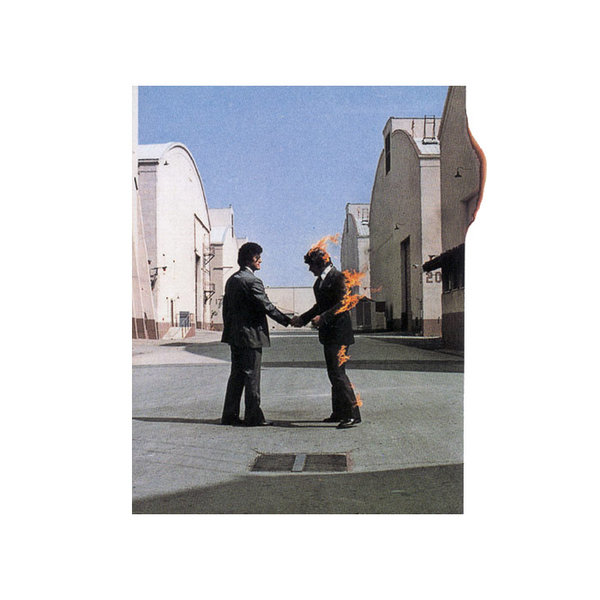
Roger Waters can certainly pump out a few concept albums. i'm somehow pretty drawn to that, though. but i don't think that has anything to do with why i like Pink Floyd. i don't necessarily find their lyrics to be their finest feature. it's a pretty easy thing to look past, though, because the music is pretty exceptional. i've always loved the trebled sound of the analog synths that are so unavoidably present from 1973 on, and on Wish You Were Here they've got the right sound happening. One thing that i like about this album, that i'm not even a huge fan of in general, is the seperation of the songs from each other. Welcome to the Machine has got some gnarly mechanical rumblings and throbbing deeps in the beginning and the crowd of a party happening in the last forty seconds which then cuts right into the funky and phased guitar and bass intro of Have a Cigar. the way that the album is assembled sits pretty well with me. there's only five songs to work with, but they can make five seem like twelve. i'm totally into David Gilmour's style, too. The concepts in which the album are based around have to do with critical ideas about the music industry and the sort of mental demise of Syd Barrett. the Syd Barrett stuff is obviously more interesting. he left Pink Floyd looking like this: and then showed up unannounced in the studio while they were recording this album looking like this: I got into this album for a little while maybe a year and a half ago or something, when i was listening to Dark Side of the Moon once a day. but i haven't really gone back to it at all until last night. but i'll be listening to Pink Floyd a bunch in the next few days.
My last two nights have been spent seeing Akron/Family, so this is the obvious choice. It's hard for me to believe that there's a band that's just playing everything that i want to hear. i don't think that the first time i heard this album i was completely blown away, it was probably the second or third. but either way, there was blowing involved. as an 11 song whole, there isn't too much that's not going on. the songs definitely throw you around from one phase to another, and sometimes so quickly that you can't help but be impressed-not only with the musicianship, but also conceptually. there are ten thousand different influences being crammed into 56 minutes-or even a five minute song-but it doesn't sound forced and nothing sounds like it shouldn't be there. i read an interview in which they said that the rhythm of a song is the main connector and therefore one of their biggest concerns. it makes sense when there's a song like Ed is a Portal (which is influenced by reggaeton and the Beastie Boys) that forces grooves to overcome your being. There's So Many Colors is part monotone chant, part feedback noodling, part folk tune and two parts loud neoclassic rock & roll. Crickets is something soft and transcendent. Lake Song is so tribal. et cetera. this album holds it together so incredibly well, absolutely their finest complete work. i'm in love with this band like you wouldn't believe.
Everyone has albums that bring them back to the feeling of a certain time. i have a million of them. some of them i can't bring myself to listen to because it's just too weird, but some of them (a sufficient number less, i think) i can still get down to. this album is definitely one of those. i don't remember how i actually got a hold of this. i think i may have downloaded it a long time ago and then started listening to it multiple times a day months later. the opening notes of the very first song pretty much hold the essence of the time in which i was into this album; it was a summer in which i had no job and basically no rules. i really just hung out and nothing was really a problem or an issue and i also spent half of the time in Beachwood and took a lot of pictures. but the first guitar line in My Home is the Sea is smooth, quiet and has the feel of a mellow 1960s groove, which fit so well with my life at that point. the guitar playing on this whole album is pretty far out. Matt Sweeney did all of the music sans the drums and Will Oldham wrote and sang. i didn't know who Matt Sweeney was at all (and i still don't entirely know, actually) but he was in Zwan and played on a bunch of people's songs throughout time. i remember when my family was driving back from Canada, we had this on, i was reading Siddharthda and my mom made a comment that the vocal harmoies sounded like the Grateful Dead, and i hadn't listened to them at that point, but my mom told me i should. this is also what i was listening to a lot when i first started recording songs, and they definitely played a big part in the way the first group of songs i did sounded like. Goat and Ram is one of the best. again, having a lot to do with how well done the guitars are on this album. but Will Oldham's voice is unparalleled. he just sounds exactly like he looks: a balding dude wearing overalls with a huge beard and a dirty shirt that you can't really tell how old he exactly is. the music isn't necessarily anything mainstream or catchy, but Will just sings a line that stays with me all day. and Rudy Foolish is such a good name.
It didn't take me that long to figure out who my favorite Beatle was. before i got heavily into them i already knew it was George. but it's taken me a lot longer to figure out what my favorite Beatles album is. i've pretty much gotten engrossed in every single one at different points in my life, because each record has something that the other ones don't. they each have a different mysticism about them and when you're really listening you find yourself surrounded by everything that encompasses that group of songs. more so than other bands, The Beatles have a different fantasy on each record that's pretty apparent and more than anything you find yourself with a current favorite Beatles era. so, this is all pretty general but i guess what i'm getting at is that my favorite Beatles record is Abbey Road. it's also the first Beatles record i ever heard. There is absolutely nothing wrong with this album by any means. everything about the cover is brilliant: the composition, the coloring, all of them are pretty much looking their best, there's a few people down the street turning around, the conspiricy (priest, funeral director, corpse and gravedigger) and there's no text. even if the album was bad, it would more than likely still be my favorite cover. but obviously the album is not bad. there are so many features of this record as a whole that hold it so highly for me. for instance: the way I Want You cuts out unexpectedly, the use of the Moog in any song that it's used in, the medly is one of the best ideas ever, in The End every member plays a solo (Ringo got his first solo ever, and Paul, George and John all play guitar solos respectively right before the final piano part of the song), John didn't like Maxwell's Silver Hammer, didn't play on it and mooned Paul while he was recording vocals, the fact that Her Majesty was intended to be between Mr. Mustard and Polythene Pam but was cut out and then later added to the end of the final mix by one of the engineers, et cetera. i feel like the songs are just more intelligently written, more sophisticatedly formed and the mixing and production brings everything into one sound more so than any other Beatles album. October 1st is going to be the 40th anniversary, so do it right.
Every once and a while, i'll forget that The Beatles are geniuses. Let It Be is an album that i tend to get away from pretty often, but i've been really into the later scene Beatles stuff; like the rooftop concert and the Let It Be sessions recently. the amount of distractions that were happening during the making and recording of this album is pretty wild considering the final result. granted, it does sound like a band that's fighting with each other about everything. all of the songs that are from the filmed sessions share a pretty similar, gritty sort of quality, espesically with all of the pre/post song comments. but i'm into that, and apparently George Harrison was hanging out with Bob Dylan and The Band when they were recording The Basement Tapes stuff and he dug the sound that they were getting and that's where the influence for the quality of these sessions came from. I especially like Paul's songs on this album. I've Got a Feeling is too good, and obviously Get Back rules. i'm one of those people that think Phil Spector kind of took a dump on The Long and Winding Road, but i mean, at least he tried. but Billy Preston owns it.
It's fair to say that it's been a long time since i've listened to Belle & Sebastian. I remember at some point last fall, i was in a record store with my friend and they were playing this album and i thought 'wow, this band always comes around at the right times', because it was about four years or so prior to that time that i first started getting into them, so therefore, most of their music reminds me of not only that time in my life, but that time of the year. today was getting pretty cold and i felt like i needed to listen to something that was going to accompany the weather, so i downloaded this. with the exception of what i heard in that record store, i had never listened to this album before today. if you're hip about the BBC Sessions, then you sort of know that these live recordings have been going on for years and plenty of pretty incredible bands have played pretty incredible sets there. i've only recently really gotten into live recordings, i find it really interesting to hear the different variations and improvisations that happen with certain songs. Belle & Sebastian isn't necessarly a band that's going to jam out some improv greats, but the songs on this album certainly have a different feeling to them then the ones done in the studio. Seymour Stein was never really one of my favorites from The Boy With the Arab Strap, but this version, with the organ coming through the cracks and it's subtlely different guitar pieces feels really good. and i've always really liked I Could Be Dreaming. plus, i've never heard the last four songs before and (My Girl's Got) Miraculous Technique is not only a great song name, but also has a drum machine/sample that leads to nothing but feeling really content. There are very few things that i like about the 1990s, and the fact that the first ten songs on this album are from 1996 and 1997 seems so weird to me. i don't know what era Belle & Sebastian's music sounds like, but it's certainly not the time in which it was actually made. the band is pretty timeless and the songs are just really really catchy and really really well orchestrated. plus i love this cover.
namaste all. i'm going to attempt to keep one of these going for a while. my plan with this is to listen to one album all the way through every day and then write about it. there's not really going to be any kind of order as far as the selection of music is concerned. it could be something that i've listened to a thousand times or something that i've never listened to all the way through or something that i haven't listened to in a really long time or something that i've never heard before. i'm no music critic by any means, nor am i a literary master, so we'll see how it goes. i definitely know that there are going to be days where i'm not going to be able to update this, and that's fine by me, but i'm going to try and make it an every day sort of thing. okay.